
The Holidays Around Here
For German Catholics, the holiday season begins on November the 11th with
St. Martin's Day

The younger children make lanterns and take part in a parade through the town, in honor of Saint Martin of Tours, a member of the Roman cavalry that later became a bishop. Because one of the stories about him involves a goose, he is the patron saint of goose herders and the traditional meal is roast goose and goose-shaped pastries.

This is also the first day of the Fasching/Carneval season, but not until 11:11 p.m. (23:11).
And it's the first day for decorating and baking cookies.
Advent
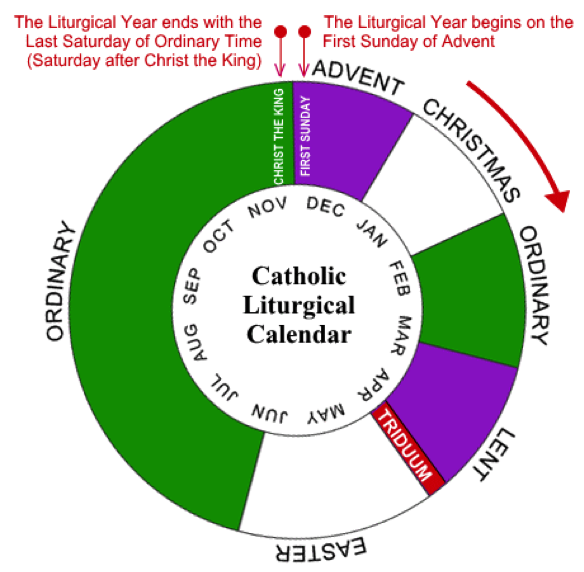
Advent is the start of the liturgical year. It begins on First Advent Sunday (counting back four Sundays from Christmas).
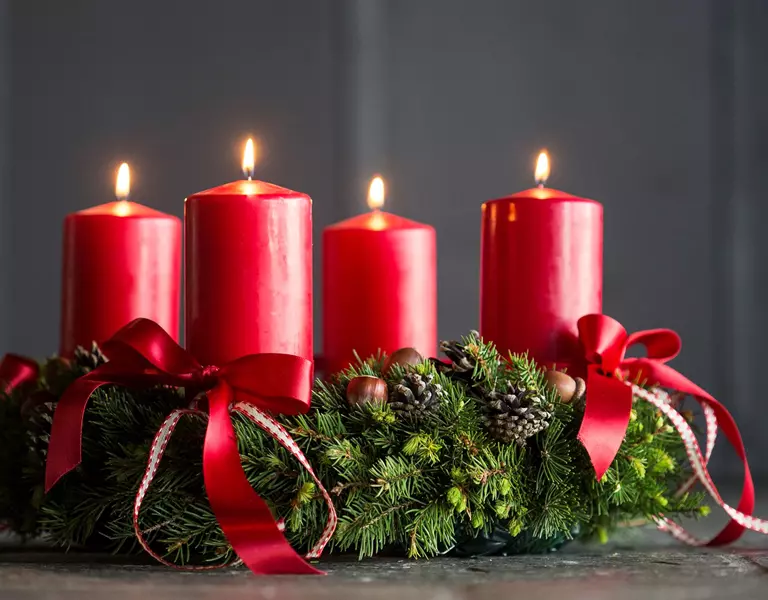
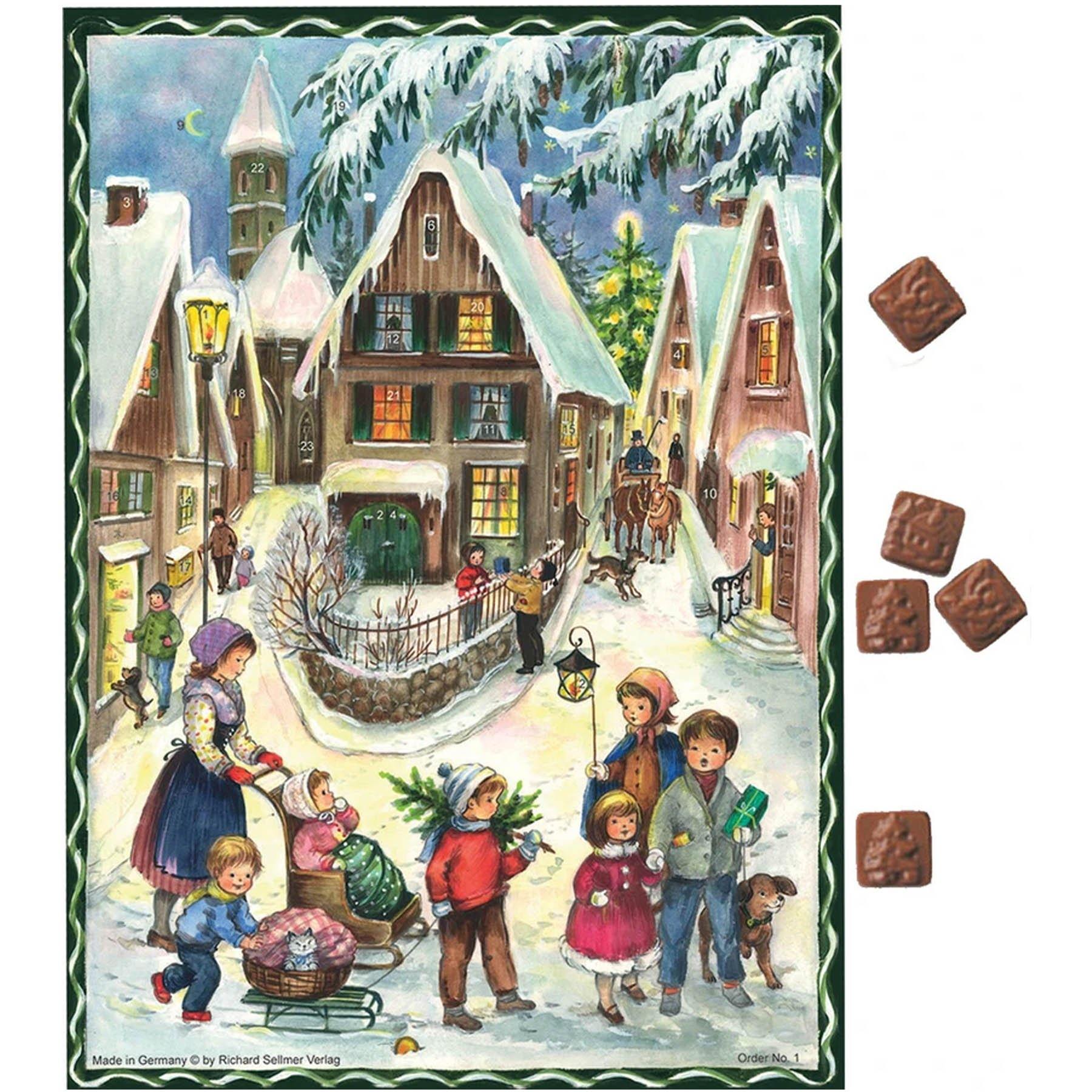
We keep track of the time until Christmas with Advent wreaths (one candle for each Sunday) and calendars (24 doors until Christmas Day).
The calendars have little sayings, pictures, or treats behind the doors. Children traditionally receive chocolate treats.
Saint Nicholas
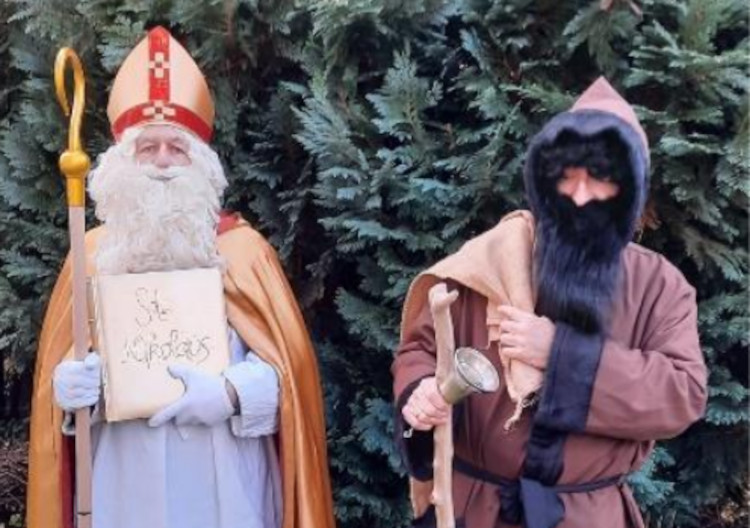
Saint Nicholas comes to visit the children on November 5th, sometimes bringing along his helper Knecht Ruprecht. He visits schools and markets, and often visits children at home.
If they put their boots out in front of the door at night, they might find them filled with oranges, nuts, and chocolate. But only, if they have been nice. If they have been naughty, they might find them filled with coal.
The Weihnachtsman doesn't visit this region. Instead, the Christkind brings the presents on Christmas Eve.
Christmas
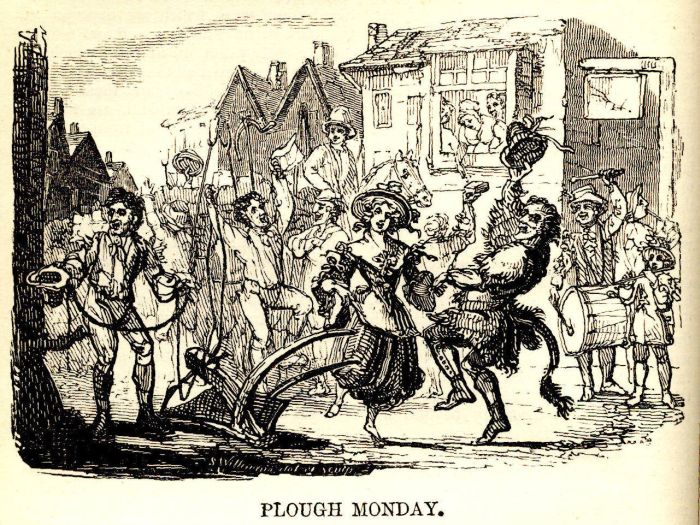
Advent continues until the evening of the 24th of December, at which point Christmas begins (with the Nativity, at Vespers), and continues on for 40 days until Mariä Lichtmess (Presentation of Christ in the temple) on February 2nd.
It's 40 days because that's how long the post-partum isolation is, before women were allowed back into the temple (after a ritual cleansing).

That is the day when we put away all of the Christmas decorations and bless the candles, for the next year. (Hence, the British name "Candlemas".) It used to also be when household staff would get paid their cash wages and could change employer. And it is the day precisely in the middle of winter.
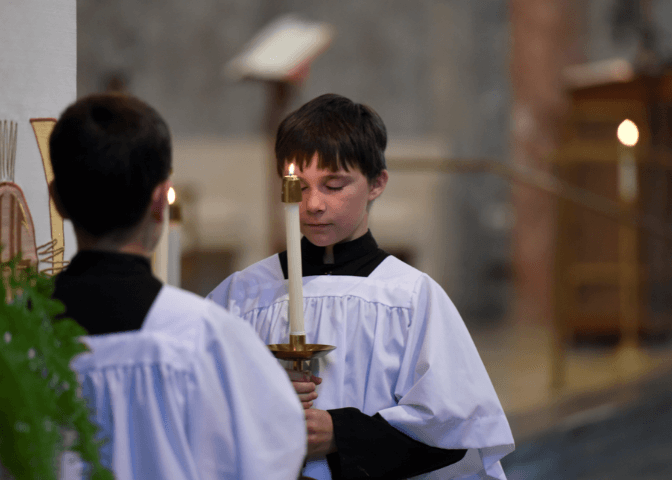
Between Christmas Eve and Candlemas are many celebrations, concluding with the Twelfth Night called Epiphany or Theophany. This is the day some Orthodox celebrate Christ's baptism, so traditions rotate around blessing of waters.
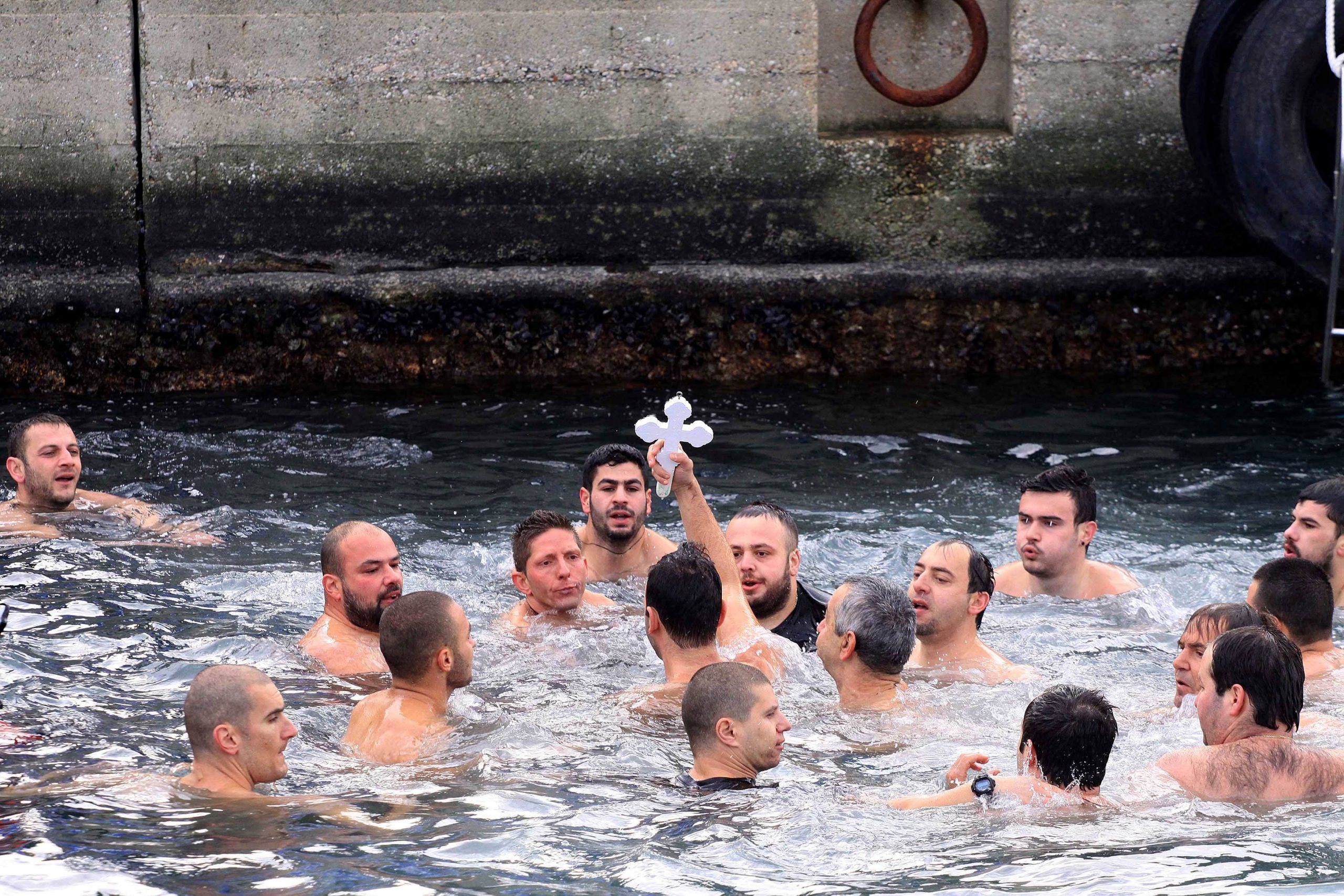
The Monday after Epiphany was the start of the farming season, in England, so that Sunday all of the ploughs were blessed, but the practice has largely died out.
Our local tradition is for the altar servers to dress as the wise men and go door-to-door, carrying their star and looking for the Baby Jesus, who is rumored to be lying in a manger.
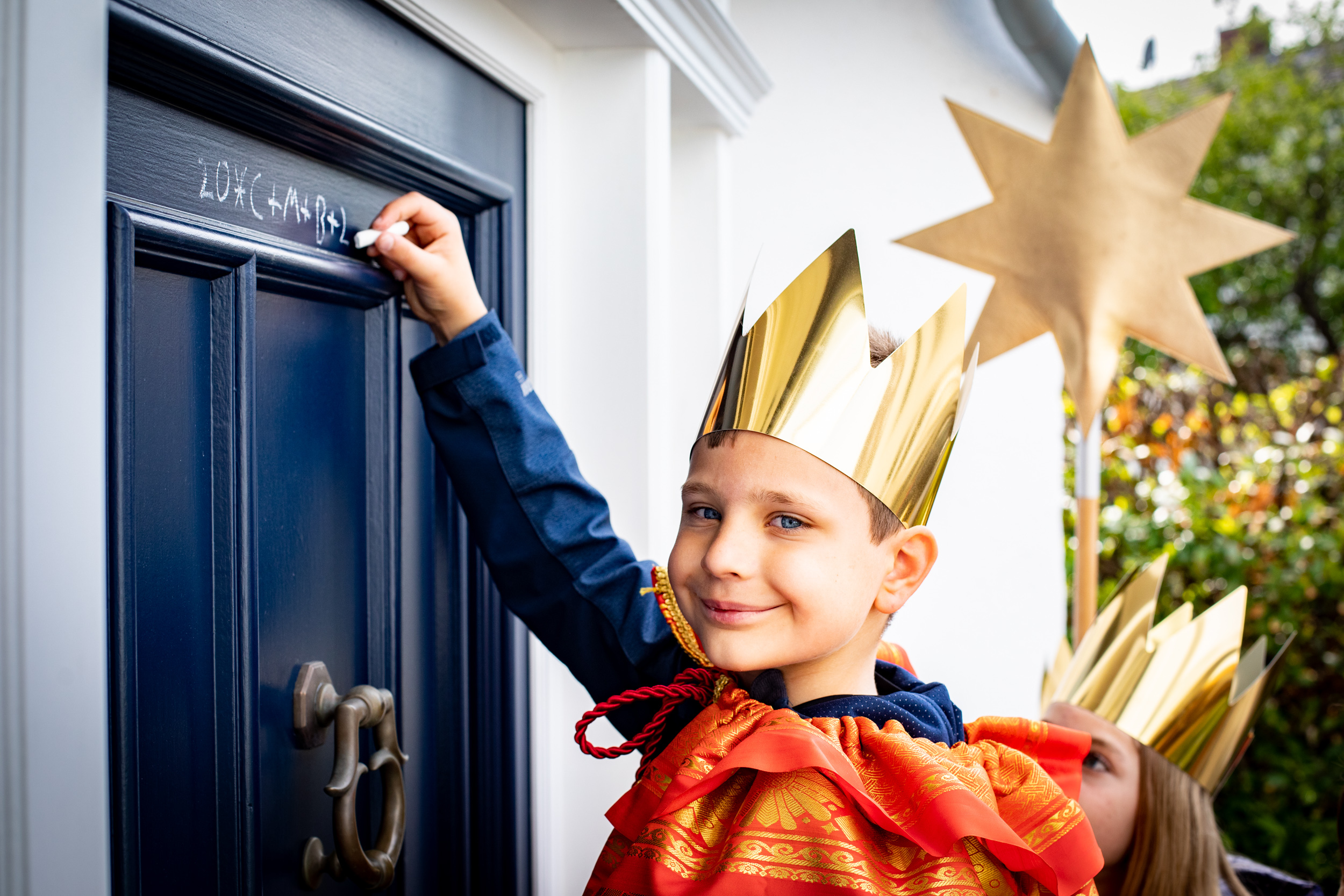
They collect cash gifts and chocolates, along the way, and leave the generous their powerful blessing, written over the door. The famous 20 * C + M + B * 25 blessing means "Christus mansionem benedicat" (Christ, bless this house), or "Caspar, Melchior, Balthasar" (the names of the three kings), depending upon who you ask.
They offer the cash to the Baby Jesus (once they find him in the church's Nativity scene), but eat the sweets, themselves. It is one of the biggest donation-collections in the world, called the "Sternsinger" (star singers). The money goes from the German children, to help children elsewhere, and they collect around €45 million in cash and coins, every year.
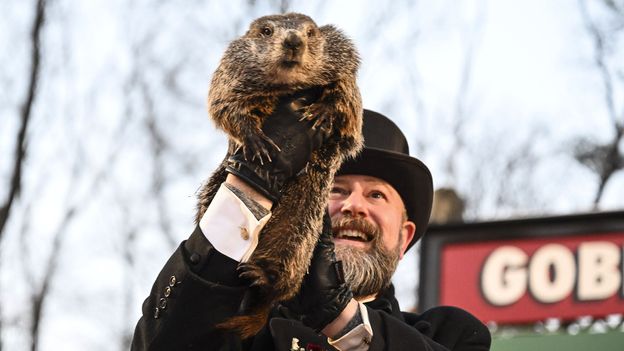
As an interesting aside:
The American "groundhog day", derives from one of the old farmers' sayings about Candlemas, brought over by the Pennsylvania Dutch. It says, that if the badger comes out of his hole and sees his shadow, then it'll remain cold for 4 more weeks. When they moved to the USA, they didn't have any badgers around, so they switched to groundhogs, as they also hibernate in winter.
Fasching
After Christmas, we focus again on Fasching, although it actually continued the entire time. That has its high point on Fat Tuesday, after which is Ash Wednesday, which begins Lent.